Two Rings, One Slow Cooker: The Christmas Dinner That Never Saw an Oven
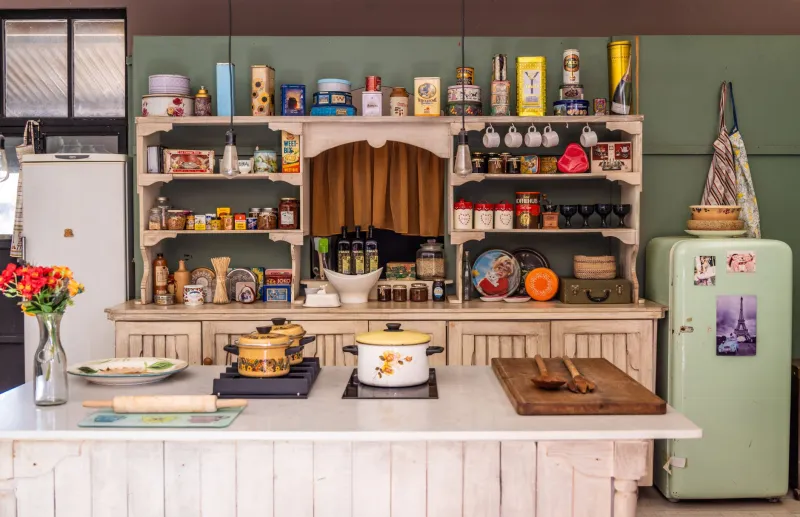
There is a particular kind of London kitchen where the oven is less a tool than a rumour. It might be a rented flat with a grill that doubles as storage, a kombi oven that runs hot at the back and pale at the front, or a kitchen so narrow that opening the oven door means standing in the hallway. This Christmas, instead of pretending otherwise, I cooked the whole dinner without it. Two hob rings, one slow cooker, a microwave and a borrowed roasting tin that ended up holding crackers. The result was not a compromise Christmas. It was, honestly, one of the calmer ones.
The menu, bought on a Saturday
The plan was for four people, with enough for leftovers but not so much that the fridge groans. I went to a Saturday market with a list and a tote bag: a small boneless pork shoulder joint from a butcher who sells by the cut, a squash, red cabbage, carrots, parsnips, a bag of sprouts, potatoes, onions, a leek, vacuum-packed chestnuts, a box of stuffing mix (yes, a box, and I will defend it), a jar of redcurrant jelly, and a nut roast for the vegetarian cousin. The total came to just over £34, which for Christmas dinner for four feels almost suspicious.
The equipment list matters more than the ingredient list. I used a six-litre slow cooker, a large lidded frying pan, a medium saucepan, a microwave-safe bowl, a steamer insert that fits one of the saucepans, and a lot of foil. No roasting tin in the oven, no traybake. The slow cooker did the joint and, later, the red cabbage. The hob did the potatoes, carrots, parsnips, sprouts, stuffing and gravy. The microwave did the squash and the reheating.
The timetable that kept me out of the weeds
Christmas morning is not the time to start reading a recipe. I wrote the timetable on the back of an envelope and stuck it to the extractor hood.
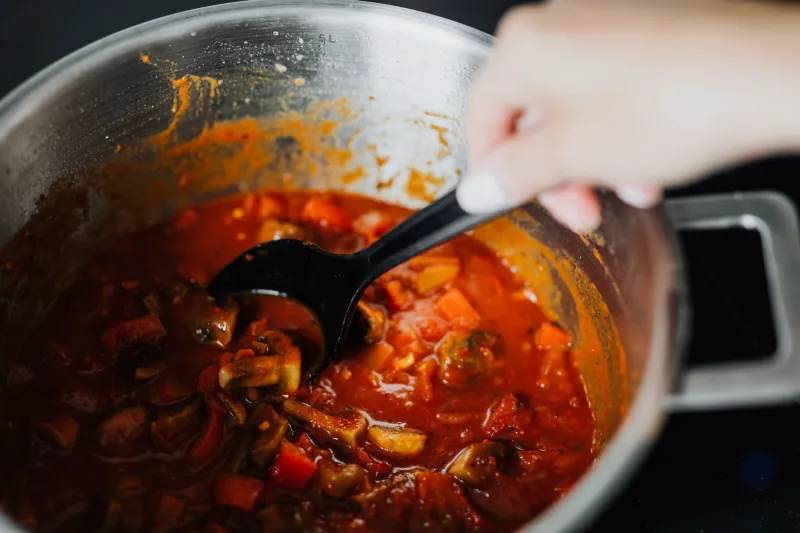
Christmas Eve: Make the stuffing balls and chill them. Trim and halve the sprouts. Peel the potatoes and keep them in a pan of cold water. Mix the red cabbage with vinegar, sugar, apple and a pinch of cloves, then park it in the fridge. Make the gravy base: soften onions, add flour, stock, a splash of soy and a spoon of redcurrant jelly, then cool and refrigerate.
9am: Rub the pork shoulder with salt, pepper and fennel seeds, then put it in the slow cooker with a halved onion and a splash of cider. Set to low for six hours. If you are doing a nut roast, it goes in the slow cooker in a lined loaf tin or a heatproof dish, with a tea towel under the lid to catch condensation.
1pm: Put the red cabbage in a saucepan on the small ring with a little water and butter. Lid on, low heat, stir every so often.
2pm: Boil the potatoes for the mash. Meanwhile, microwave the peeled squash chunks with a splash of water until tender, then mash with butter and nutmeg. Keep warm in a bowl over a pan of simmering water, or just reheat later.
2:30pm: Steam the carrots and parsnips in the steamer insert. At the same time, fry the stuffing balls in a lidded pan with a little oil, turning until golden. The sprouts go on at 2:45pm with a knob of butter and a squeeze of lemon.
3pm: Take the joint out of the slow cooker and rest it under foil. Use the juices for gravy, bubbling it with the pre-made base. Warm the plates in the microwave for two minutes. Then serve, probably slightly later than planned, which is Christmas law.
What worked, and what I would change
The slow-cooked pork was the surprise. It did not have crackling, obviously, but it was tender enough to pull apart with two forks and had a gentle fennel note that suited the red cabbage. The nut roast was less convincing: it cooked through but stayed a bit soft in the middle. Next time I would brown it first in a frying pan, then finish it in the slow cooker on high for two hours rather than low for four. The microwave squash was excellent, and I will never boil squash again.
The real win was the hob space. Two rings sounds like a joke until you plan around it: one ring for the long, slow pan, one for quick jobs, and the microwave as a third burner. The stuffing balls were fried in batches and kept warm in a low microwave, which sounds unglamorous but meant they were still hot at the table. The gravy was made in the same pan as the stuffing, which saved washing up and added flavour.
The leftovers plan
By 5pm there was a bowl of pork, a wedge of red cabbage, a few sprouts and a lot of gravy. On Boxing Day, I fried the leftover sprouts with leftover potatoes and a spoon of mustard, then topped them with shredded pork and a fried egg. The gravy loosened with a little water made a quick sauce. The squash went into a soup with the leek and a tin of white beans. The nut roast crumbled into a pasta bake, which the cousin took home in a lunchbox. Nothing was wasted, which felt like the real Christmas miracle.
The verdict
Cooking Christmas dinner without an oven is not about pretending you have a different kitchen. It is about choosing the right cuts, writing a timetable, and accepting that the microwave is a legitimate piece of Christmas equipment. This year, the oven stayed off, the hob did the heavy lifting, and nobody at the table asked why the roast looked a bit different. They were too busy asking for more gravy.
If your own kitchen is small, rented or simply unreliable, start with the slow cooker and work outwards. Buy what is in season, keep the menu tight, and do not attempt roast potatoes and a joint in the same hour. The dinner will still arrive, even if the oven never does.