The Bird I Used to Walk Past: One Pheasant, Two London Suppers
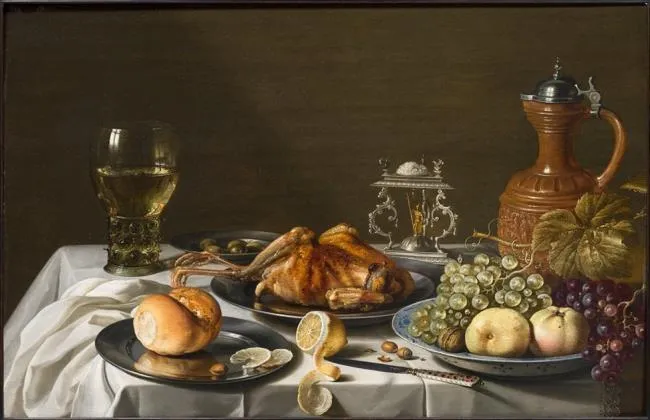
Photo: Pieter Claesz, Public domain, via Wikimedia Commons
At Borough Market last Saturday, wedged between a cheese stall and a pile of cavolo nero, I finally bought a pheasant. It cost £7. The trader asked whether I wanted a hen or a cock, and whether I planned to roast it or stew it. I said roast, with more confidence than I actually had. Then I carried it home on the Northern line in a double-bagged cool bag, feeling slightly ridiculous and very pleased with myself.
Game season is in full swing this November. Pheasant, partridge, duck and woodcock are turning up on market counters, and yet most of us walk straight past. I understand why. A whole feathered bird can look like homework. It is not. A £7 pheasant is one of the best-value weekend projects in London, provided you ask a couple of questions and cook it with a bit of butter and a lot of nerve.
Why game feels intimidating, and why it shouldn't
Pheasant is lean. That is the whole story. Unlike a chicken, it has very little fat under the skin, so it dries out if you treat it like a Sunday roast and leave it in the oven while you answer emails. It also has a reputation for being gamey, which is mostly about age and hanging. A young bird, hung for a sensible length of time, tastes mild and sweet, somewhere between chicken and guinea fowl. An old cock bird, hung for a fortnight, is a different proposition: fine for stewing, less fine for a quick roast.
The other fear is shot. You may find a lead pellet or two when you carve. Just remove it. It is not a crisis. Ask the trader whether the bird has been plucked and drawn, and whether it is young. If they look at you blankly, buy somewhere else.
What to ask at the counter
At a good game stall, the conversation is part of the purchase. I asked for a young hen pheasant, plucked and drawn, and the trader told me it had been hung for three days. That was ideal for roasting. He also advised me to cook it within two days or freeze it, and to keep it at the bottom of the fridge in a bowl, away from anything that might absorb the smell.
If you are buying ahead, freeze the bird on the day you get it and defrost it slowly in the fridge overnight. Do not leave it sitting in a warm kitchen while you decide what to do. A pheasant is small enough to fit in most London fridge shelves, but it is not a houseguest. Treat it like raw chicken and you will be fine.
The simplest roast for a small oven
You do not need a trussing needle or a game larder. You need a roasting tin that fits your oven, some butter, a few rashers of bacon, a lemon, an onion and a splash of cider. The bacon is not a decoration. It protects the lean breast meat while the legs catch up.
Heat the oven to 200C fan or 220C conventional. Pat the bird dry inside and out. Salt it generously. Put half a lemon and half an onion in the cavity, rub soft butter over the skin, and lay bacon over the breasts. Scatter a few thyme sprigs around the tin and add a chopped onion and a splash of cider or water.
Roast for about 25 minutes, then baste with the buttery juices and give it another 10 to 15 minutes. A small pheasant will be done in around 35 to 40 minutes. If you have a thermometer, aim for 70C in the thickest part of the thigh, then rest it under foil for 10 minutes. If you prefer well done, take it to 74C, but be warned: every extra degree costs moisture. While it rests, put the tin on the hob, add a splash of stock and a spoon of cream or a knob of butter, and scrape up the sticky bits for gravy.
We ate it with roast potatoes and a sharp watercress salad. The breast was gone in minutes. The legs were fiddly but worth it. The carcass went into the fridge.
The second supper: broth, barley and leftover meat
The next day, I broke up the carcass and covered it with cold water in a small pan. In went an onion, a carrot, a bay leaf and a few peppercorns. I brought it to a bare simmer and left it for 45 minutes, then strained it. That is the whole stock recipe. No pressure cooker, no overnight ritual.
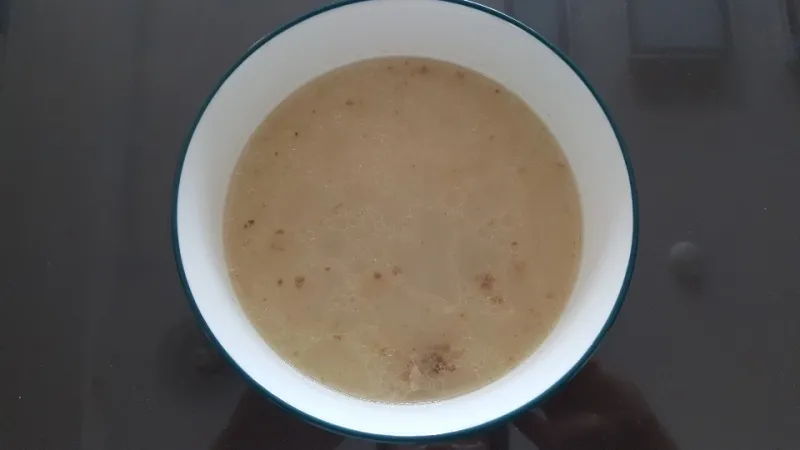
To turn it into supper, I added a handful of pearl barley and a chopped leek to the strained stock and simmered until the barley was tender. The last bits of pheasant, picked from the bones, went in at the end with a spoon of mustard and a squeeze of lemon. It made two generous bowls and cost almost nothing beyond the barley and leek. If you have a carrot going soft in the drawer, grate it in.
This is the real argument for buying a whole game bird. A £7 pheasant is not just one roast. It is Saturday supper, Sunday broth, and a stock that makes the flat smell like someone competent lives there.
Where to buy game in London
Borough Market is the obvious starting point, with game stalls that know what they are selling. Farmers' markets around London often have a game trader in November, and good independent butchers in places like Islington, Highgate and Dulwich will order birds in if you ask. Call ahead. Prices vary, but £6 to £10 for a plucked, drawn pheasant is normal this season. Some supermarkets sell frozen game, which is fine in a pinch, but you lose the counter conversation. At a market you can ask how long it has been hung, whether it is a young bird, and what to do with the carcass. That advice is worth a couple of quid on its own.
A weekend plan that actually fits
Buy the bird on Saturday morning. Roast it on Saturday night. Pick the leftovers and make stock on Sunday morning. Eat broth on Sunday evening. If the weekend runs away from you, freeze the carcass and make the stock another day. Nothing about this is precious.
The pheasant I used to walk past is now on my November list, somewhere between the sauerkraut and the Christmas pudding. It is not a restaurant dish. It is a market find that turns into two suppers, with a bit of butter and a willingness to ask the person behind the counter what to do.