Steam on the 7:42: A Week of Hot Lunches That Survive the Flask
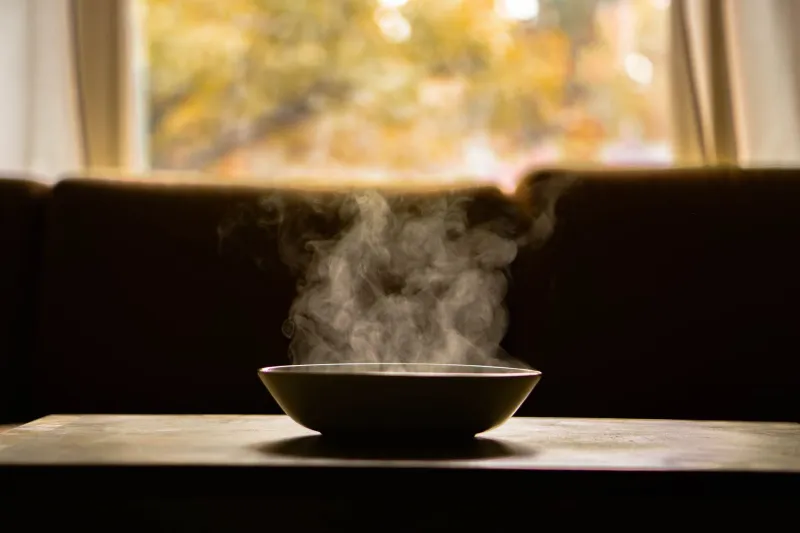
The first proper cold snap in November changes the lunch equation. A sandwich on a bench loses its appeal when the bench is damp and the light is already going. What you want is something you can screw the lid on at 7:42, carry through the Tube, and open at a desk, on a train or on a wall outside the office while steam comes off it.
This is a week of those lunches: five flask-friendly soups and stews built from one market shop, with enough batch-cooking to cover more than one week if you freeze half. It is not a meal-prep sermon. It is a practical route through the dark months, with a few rules that stop your lunch turning into a lukewarm science experiment.
The bag, the plan, the flask
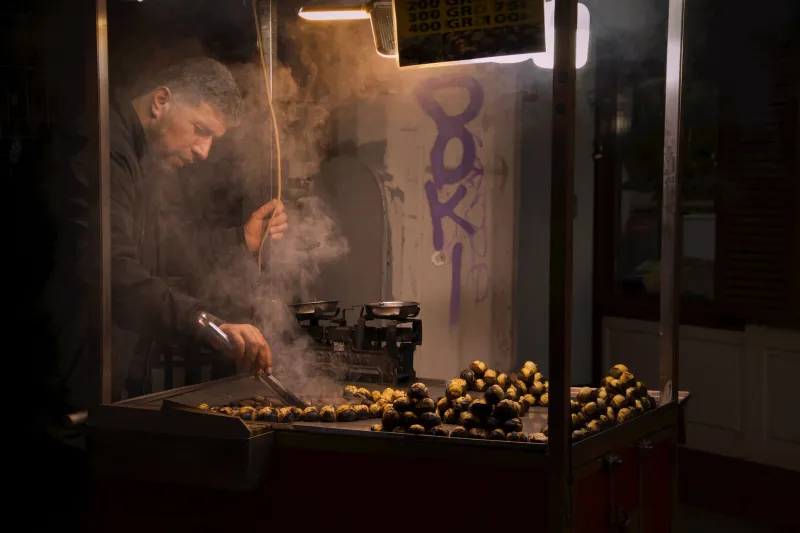
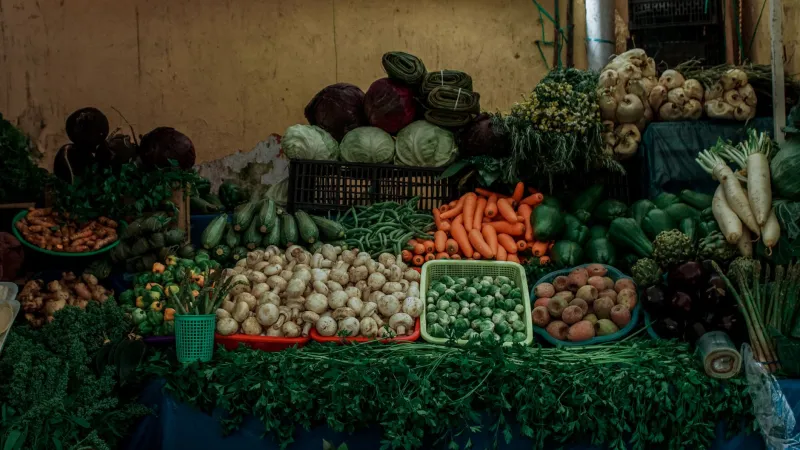
Start with a market bag rather than a supermarket trolley. On a Saturday morning at Ridley Road, Brixton or Deptford, £15 or so buys a generous pile of roots, pulses and a bit of meat for flavour. The exact total will move with the stalls, but the shape of the shop stays the same.
My bag this week: two onions, a kilo of carrots, a head of celery, a kilo of potatoes, two leeks, 500g red lentils, 250g pearl barley, two tins of tomatoes, six bone-in chicken thighs and one small ham hock. That is the backbone of five lunches, with leftovers for the freezer. You will also need stock cubes, bay, pepper, mustard and oil from the cupboard.
The flask matters as much as the recipe. Use a wide-mouth food flask, not a bottle with a narrow neck. Preheat it with boiling water for five minutes while the soup reheats, tip that water out, then fill the flask right to the brim and seal it. A half-full flask is a lukewarm flask.
Monday: split pea and ham hock
Soak 250g split peas overnight if you remember; if not, simmer them a bit longer. Put the ham hock in a big pan with one chopped onion, two chopped carrots, two celery sticks and a bay leaf. Cover with water, bring to a simmer and cook gently for about 90 minutes, until the ham pulls away from the bone. Lift the hock out, shred the meat, and add the split peas to the liquid. Simmer for 30 to 40 minutes until the peas collapse. Return the ham, season with pepper and a little mustard, and thin with water if it gets too thick.
This one is better on day two, which is convenient. It makes about four portions.
Tuesday: leek and potato, with a mustard note
Slice two leeks and wash them properly. Soften in oil with one chopped onion, then add 500g diced potatoes, a stock cube and enough water to cover. Simmer until the potatoes are just tender, not falling apart. Blend about half the pan and leave the rest chunky. Stir in a teaspoon of English mustard and plenty of pepper. No cream: dairy can split in a flask and go grainy by lunchtime. The mustard gives it enough lift without that risk.
This makes two generous portions. If you want it thicker, mash a few potatoes against the side of the pan rather than adding flour.
Wednesday: red lentil and tomato
Fry one chopped onion and two chopped carrots in oil until they start to colour. Add two cloves of chopped garlic, a teaspoon of cumin, a pinch of chilli and 200g red lentils. Tip in one tin of tomatoes, a stock cube and about a litre of water. Simmer for 25 minutes until the lentils are soft. Season well. This is the cheapest lunch of the week and the one that benefits most from a squeeze of lemon or a spoon of yoghurt at the desk, if you have it.
It makes four portions. Freeze two.
Thursday: chicken, barley and root veg
Brown four chicken thighs in a heavy pan, skin on, then set them aside. Soften one onion, two carrots and two celery sticks in the fat. Add 100g pearl barley, one tin of tomatoes, a stock cube and enough water to cover. Put the chicken back in, cover and simmer for 45 minutes. Pull the chicken out, shred it, discard the skin and bones, and return the meat to the pan. Check the barley is tender but still has a little bite. If it is too stiff for a flask, add hot water.
This makes four portions. The barley will keep swelling, so make it slightly looser than you think you want.
Friday: fridge-end bean and carrot
Use up what is left: a carrot, a celery stick, half an onion, the last of the potatoes. Soften the vegetables in oil, add a teaspoon of smoked paprika, a tin of beans or the last of the lentils, a stock cube and water. Simmer for 20 minutes, then mash a little against the side of the pan. Taste for salt. This is not a recipe so much as a method, and it is the one that stops the market bag turning into a guilt pile at the back of the fridge.
What it costs
Prices vary by stall, but a realistic breakdown for the bag above looks like this:
| Item | Approx. cost |
|---|---|
| Onions, carrots, celery | £2.70 |
| Potatoes and leeks | £2.70 |
| Red lentils and pearl barley | £2.00 |
| Two tins of tomatoes | £1.40 |
| Chicken thighs | £4.50 |
| Ham hock | £2.50 |
| Total | £15.80 |
That bag makes roughly 16 portions across the five recipes, so about £1 a portion before storecupboard extras. Even if you add 20p per portion for stock, mustard and energy, it is still well under the price of a sad desk sandwich. The point is not extreme thrift; it is having something hot and homemade without a daily decision.
The flask rules, and the food-safety bits
A flask is not a cooker. It holds heat; it does not make food safe. Cool leftovers quickly, within 90 minutes, in shallow containers, then fridge them. Eat within three days or freeze. Reheat only once, until piping hot all the way through, and never reheat in the flask itself.
Preheat the flask with boiling water, fill it to the brim with hot food, and seal it immediately. At lunchtime, eat it in one sitting. Do not save half for later. If the flask has been sitting in a warm office or a train carriage for hours and the food is only lukewarm when you open it, bin it. That is dull advice, but it is the advice that keeps the rest of the week enjoyable.
Texture is the whole game
Most flask lunches fail on texture rather than flavour. Potatoes can go grainy, barley can swell into wallpaper paste, and blended soups can turn gluey. Cook vegetables a little less than you would for a bowl at home. Blend only part of a soup and leave some body. Keep barley slightly al dente. Add fragile greens at the end, not at the start. And season a little more boldly than usual: hot food eaten outdoors or at a desk often tastes flatter than it did in the kitchen.
By Friday, the routine is simple: one market bag, one big pan most evenings, one flask preheated in the morning. The commute is still dark. The lunch is hot. That is a fair trade.