Weigh Before You Bake: A Week Buying Flour From London's Bakery Counters
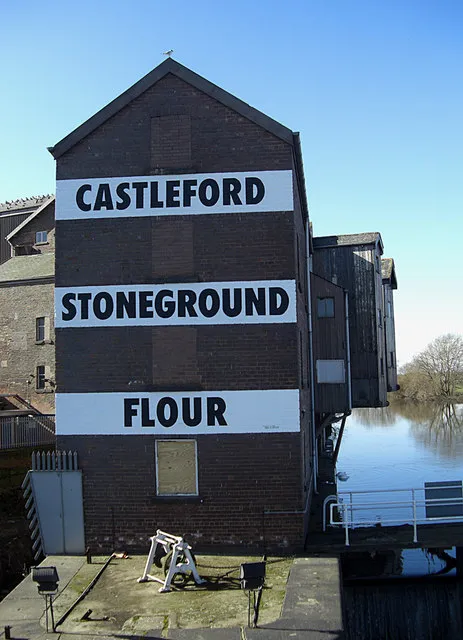
Photo: michael ely, CC BY-SA 2.0, via Wikimedia Commons
You go in for a loaf. You come out with a paper bag of stoneground wholemeal, a jar of something alive and a nagging feeling you've been sold a hobby. That's the quiet transaction happening at bakery counters all over London at the moment, and it's worth knowing what you're actually buying.
The loaf is the shopfront. The flour is the business. Bakeries buy in bulk, get better stuff than the supermarket shelf can offer, and many of them are now bagging it up for the rest of us at a mark-up that's still cheaper than a decent loaf. Some will hand over a spoonful of their starter as well, which is the closest thing food retail has to a hug.
I spent a week buying my bread this way instead of at the till. Three counters, three very different conversations.
Three counters, three different jobs
Borough Market, mid-morning. The busiest of the three, and the most performative — there's a class going on behind glass, someone is folding dough with the earnestness of a person being filmed, and the queue is half tourists, half locals who know exactly which bag they want. The flour here is sold as an add-on rather than a mission: 1.5kg bags of strong white and a stoneground wholemeal, plus the occasional single-variety bag that changes with the season. Ask about the classes and you'll get a straight answer about what they're like. Ask about the flour and you'll get a slightly less straight one, because the person on the till may not be the person who ordered it.
Dalston, before the lunch rush. A social enterprise bakery, which changes the tone entirely. The flour is stacked by the door in 1.5kg and 5kg bags, mostly from established UK mills, and the staff will talk you through it properly because teaching is part of the job here — young people train in this kitchen. I was asked what I was baking before I was asked for money, which is the correct order of operations. There's a small selection of dried starter on the shelf, and if you ask nicely about a fresh one you'll get a shrug and a spoon.
Hackney, early. The purist end of the spectrum. This is the counter where the flour has a farm on the bag — Somerset-grown, stoneground, the sort of thing where the wheat variety is printed as though you should recognise it. They'll sell you a kilo of wholemeal that smells faintly of hay and a white that behaves beautifully, and they'll tell you honestly that the wholemeal will go stale faster than you'd like. The advice is free and generously given. The 5kg bag is a trap if you live alone; resist it.
The questions that get you a better bag
You don't need to be an expert to buy well. You need four questions.
When was it milled? Stoneground wholemeal is at its best in the first couple of months. Flour doesn't go off in the dramatic sense, but the oils in the germ turn, and a bag from last spring will bake flatter and taste duller. If nobody can tell you, buy smaller and buy more often.
What's the protein? For a free-standing loaf you want roughly 11–13%. A lot of lovely, flavourful stoneground flour sits lower than that, which is fine — you just blend it with a strong white rather than expecting it to hold up on its own.
Is it a blend or a single variety? Neither is better, but they behave differently. A bakery blend is built to be forgiving. A single variety is a conversation piece and occasionally a heartbreak.
How should I store it? If the answer is "in the bag, in the cupboard", nod politely and decant it into a jar at home anyway. Paper bags in warm kitchens are how you end up with livestock.
One more: ask whether there's any starter going. Bakeries throw away more than you'd think in feeding, and plenty will hand over a bit for nothing or a couple of quid. It's the cheapest ingredient you'll ever be given and it will outlast every other item in your kitchen.
The sums, without the romance
Here's the honest arithmetic, based on a 900g homemade loaf using 500g of counter-bought flour.
| What you're buying | Rough cost per loaf | Cost per kg of bread |
|---|---|---|
| Supermarket white loaf, 800g | £1.25 | £1.56 |
| Bakery sourdough, 800g | £5.20 | £6.50 |
| Homemade, counter flour + oven | £2.00 | £2.20 |
So: you are not beating a £1.25 white loaf. Nobody is, and anyone who tells you otherwise has stopped counting the electricity. What you are comfortably beating is the £5 loaf, at less than half the price, with a crumb that's genuinely in the same league — and that's before you factor in the second loaf you bake in the same oven heat, which drops the marginal cost to about £1.70.
Two practical notes. First, if your oven is on for dinner anyway, bread costs you almost nothing in fuel. Second, buy the 1.5kg bag rather than the 5kg one: at 500g a loaf that's three bakes, which is about the right pace for a household of two and exactly the right pace for not finding weevils in July.
Waste is where the real saving hides
Bread is one of the most-wasted foods in British homes, and the widely quoted figure — something in the region of 20 million slices a day — is a national embarrassment rather than a personal one. But the fix is structural, not virtuous.
When you bake, you bake what you'll eat. A 900g loaf is two days of sandwiches and a slice of toast; slice the rest on day one and freeze it flat, and you've eliminated the grey-end-of-loaf problem entirely. Wholemeal loaves go stale faster than white, which is the strongest argument for the freezer and the reason I now split every bake in half before it's properly cool.
Flour itself rarely gets wasted, but it does get neglected. A 5kg bag bought in a burst of enthusiasm and opened twice by March is £8 of good intention sitting in a cupboard. Buy a kilo, bake three times, go back. The counter will still be there, and the conversation is half the point.
Start with one bag and one question
If you're new to this, don't buy five flours. Buy one strong white and one stoneground wholemeal from the same counter, blend them 70/30, and bake the same recipe twice in a fortnight so you can taste what changed. Ask when it was milled. Ask if there's starter going. Then go home, put the kettle on, and get your hands in it.
The flour is the bit of the bakery nobody photographs. It's also the bit worth queueing for.