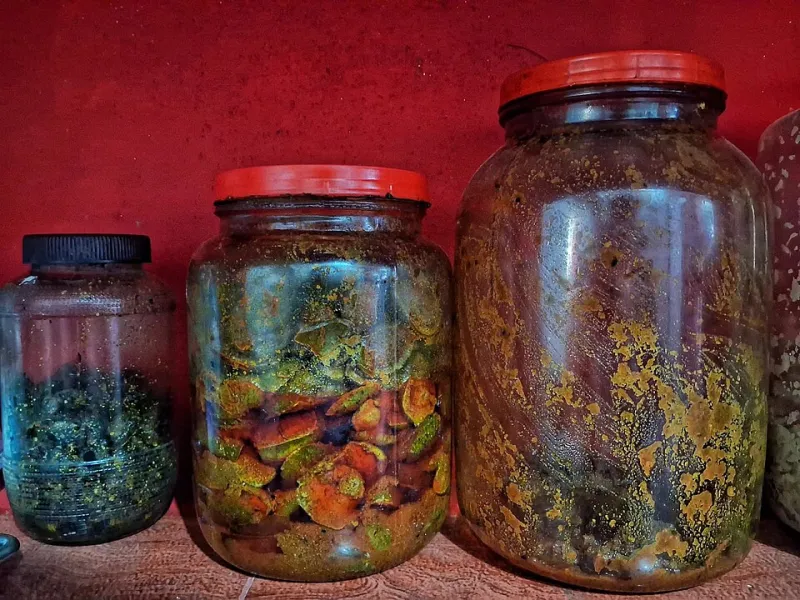
Quince, Unpeeled: A London Guide to November’s Most Awkward Fruit
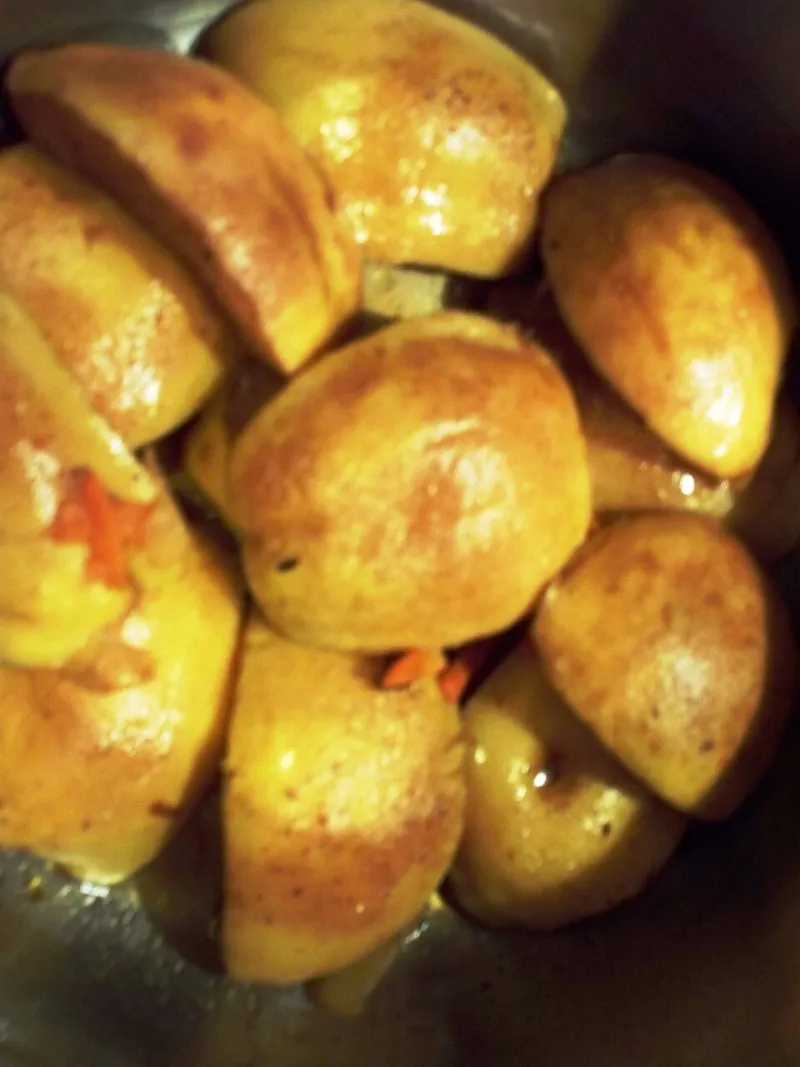
Photo: EgorovaSvetlana, CC BY-SA 4.0, via Wikimedia Commons
At Borough Market on a damp Saturday in early November, there is usually a moment when the crowd parts and you see them: a pile of pale yellow, lumpy fruit that looks a bit like a pear that has been in a fight. Quinces. They are at their best now, and yet most shoppers walk straight past. That is a shame. Quince is one of the most rewarding things you can put in a shopping bag this month, as long as you know what to do with it.
I am not going to pretend quince is a quick ingredient. It is not. It is hard, tannic and deeply uncooperative raw. But give it heat, sugar and time and it turns rose-gold, fragrant and almost impossibly good. Think honey, pear, citrus peel and a faint whiff of something floral. It is the sort of fruit that makes a Sunday kitchen feel purposeful.
Where to find quinces in London
November is peak season, and London farmers’ markets do them proud. Borough Market is the obvious starting point, but it is not the only one. Broadway Market often has a grower with a crate or two, and the smaller markets at Marylebone, Queen’s Park and Alexandra Palace are worth checking as autumn turns. Good greengrocers sometimes stock them too, especially those with a line in British seasonal produce. Supermarkets are hit and miss; if you see them, pick them up, but do not expect much choice.
A ripe quince should smell incredible. That is your first test. If the pile has no scent at all, leave it on the kitchen windowsill for a few days and see if it comes round. The perfume is half the pleasure.
How to choose and prep
Look for fruit that feels heavy for its size, with yellow skin and no green patches. A slight give near the stem is good; rock-hard is fine, but it will need longer cooking. Avoid bruises and soft brown spots.
Prep is simple, just not fast. Wash off the fuzzy coating, then peel, quarter and core. The flesh is hard, so use a sharp knife rather than a vegetable peeler for the quarters. Quince oxidises quickly, so drop the pieces into a bowl of water with a squeeze of lemon as you go. Keep the peel and cores: simmer them with water and sugar and you have a beautiful pink jelly for cheese or roast pork.
Recipe: membrillo, the cheese-board favourite
Membrillo, or quince paste, is the most famous use for the fruit, and it is much easier than it sounds. You need patience for the stirring, not skill.
Take 1.5kg quinces, 1kg granulated sugar and the juice of 1 lemon. Chop the peeled, cored fruit roughly, cover with water and simmer for 30 to 40 minutes until soft. Drain, keeping the cooking liquid for jelly. Blend the fruit or push it through a sieve until smooth. Weigh the purée, then return it to the pan with the same weight of sugar and the lemon juice. Cook over a low heat, stirring often, for 45 to 60 minutes until thick, dark and glossy. It should hold a line when you drag a spoon through it. Pour into a lined tin, cool, then cut into squares. Serve with manchego, cheddar or a sharp Lancashire.
Recipe: spiced poached quince
This is the one to make if you want quince without a project. It fills the kitchen with the smell of Christmas and keeps for a week in the fridge.
You need 3 quinces, 300g sugar, the juice of 1 lemon, 1 cinnamon stick, 2 star anise, 3 cloves, 1 bay leaf and a splash of vanilla extract. Peel, quarter and core the fruit, then put it in a pan with the sugar, lemon and spices. Cover with water and bring to a gentle simmer. Cook for 1.5 to 2 hours, until the quince is tender and ruby-red. Cool in the syrup. Serve with yoghurt for breakfast, spoon over porridge or eat with a slice of cold roast pork.
Recipe: quince and oat crumble
This is a crumble for people who think they do not like crumble. The fruit is sharp and fragrant, the topping is nutty and not too sweet, and a little ginger keeps things interesting.
Use 3 poached quinces, drained and chopped, or roast raw quince chunks with a little sugar first. For the topping, rub 100g cold butter into 100g plain flour, then stir in 50g oats, 60g soft brown sugar, 50g chopped walnuts, a pinch of salt and a little ground ginger. Put the fruit in a baking dish, scatter over the crumble and bake at 180C for 35 to 40 minutes, until golden. Serve with cream or custard. It is grown-up in the best way: not too sweet, a bit perfumed, and much more interesting than apple.
The quiet pleasure of a quince
Quince is not a performance ingredient. It is a patience ingredient. Buy two extra, leave them on the windowsill and let the kitchen smell of them for a week. If you see a pile at the market this month, do not walk past. Buy a couple, make the poached fruit first, and see what the fuss should be about.